Hives (Urticaria): Causes, Symptoms, Treatment & When to See a Doctor
Hives (urticaria) can cause sudden, itchy raised bumps or patches on the skin. Learn about common triggers, symptoms, treatment options, safe home care and when hives need medical attention.
Hives, also called urticaria, are itchy raised bumps or patches that can appear suddenly on the skin. They may be triggered by an allergic reaction, infection, medication, heat, cold, pressure or other factors, although the exact cause is not always found.
Individual hives often disappear within 24 hours, but new hives can appear in other areas. Most episodes settle within days to weeks, while hives that continue or recur for 6 weeks or longer are considered chronic hives.
This guide explains what hives look like, common causes and triggers, ways to relieve symptoms, medical treatment options, when to see a dermatologist and when hives require urgent medical attention.
What Are Hives?
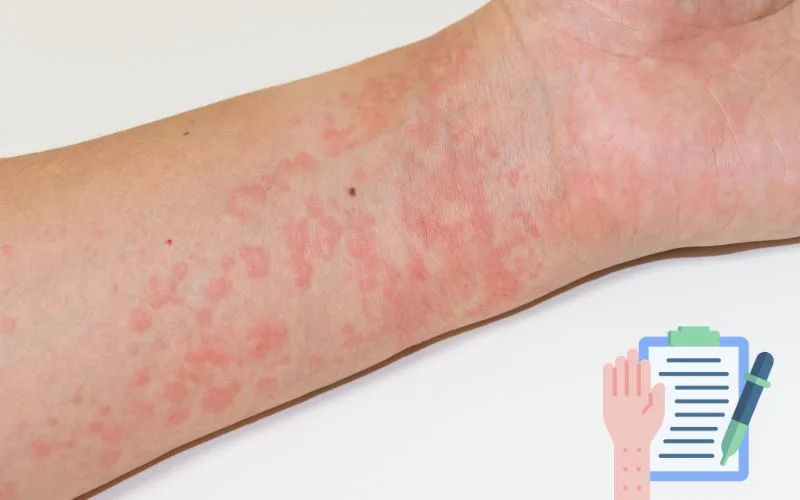
Hives are a common skin reaction that causes raised bumps, welts or patches that are often very itchy. They can appear suddenly and may affect one area or several parts of the body.
Hives can look different depending on your skin tone. They may appear pink or red on lighter skin, while on darker skin they may be the same colour as the surrounding skin or appear darker or more difficult to see.
A single hive usually disappears within 24 hours, although new hives can continue to appear. Some people also develop deeper swelling called angioedema, particularly around the face, lips, eyes or other areas.
Common Hives Symptoms
Understanding hives symptoms helps you recognize the problem early. The signs may include:
- Raised, red bumps or welts
- Itching or burning sensation
- Swelling under the skin
- Hives on face, lips, throat, or tongue
- Skin allergy (although it can be due to other reasons too)
- Individual hives may disappear within 24 hours while new ones appear elsewhere.
- Swelling under the skin (angioedema) may occur, especially around the face, lips or eyes.
The symptoms may worsen in hot weather or after stress. In rare cases, hives come with breathing difficulty, which needs emergency care.
Common Causes and Triggers of Hives
Many things can trigger a hives rash. Some common causes include:
- Food allergies (nuts, eggs, shellfish)
- Medication (painkillers, antibiotics)
- Insect bites
- Temperature changes
- Sunlight exposure
- Emotional stress
- Infections
- Chemicals in soaps or cosmetics
Not every case of hives has an identifiable trigger. Some people develop hives after a specific exposure, while others may continue to experience them without a clear cause. Chronic spontaneous urticaria is one example where a specific trigger may not be found.
How to Relieve Hives at Home
Mild hives can sometimes be managed at home while you monitor your symptoms. The aim is to reduce itching and avoid things that may be triggering the reaction.
1. Use a cool compress
Apply a cool, damp cloth to itchy areas for short periods to help soothe the skin.
2. Avoid known triggers
If you know that a particular food, medicine, heat, cold, pressure or skincare product triggers your hives, avoid that trigger where possible.
3. Wear loose, comfortable clothing
Tight clothing and pressure on the skin may worsen symptoms in some people.
4. Avoid irritating skincare products
Choose gentle, fragrance-free products if your skin is irritated.
5. Consider an appropriate antihistamine
Non-drowsy antihistamines are commonly used to relieve itching and other symptoms of hives. If you are unsure which medicine is appropriate for you, speak with a doctor or pharmacist rather than self-medicating.
Medical Treatments for Hives
If hives are frequent, severe, widespread or continue for a long time, a dermatologist can assess the condition and create an appropriate treatment plan.
Antihistamines: These are commonly used to control itching and reduce hives. The choice and dose depend on the individual situation.
Other treatments: People with persistent or chronic hives may need additional prescription treatments when antihistamines do not provide enough control. Treatment is selected according to the type and severity of hives and the patient's medical history.
Finding the trigger: A dermatologist may ask about foods, medicines, infections, stress, temperature, pressure and other possible triggers. Testing is not automatically required for everyone and is guided by the clinical history and examination.
When Are Hives an Emergency?
Hives can sometimes occur with a serious allergic reaction. Seek emergency medical care immediately if hives occur with:
- swelling of the lips, tongue, mouth or throat
- difficulty breathing
- difficulty swallowing
- feeling faint or light-headed
- a racing heartbeat
Swelling involving the mouth or throat can interfere with breathing or swallowing and requires urgent medical attention.
When Should You See a Dermatologist for Hives?
You should consider seeing a dermatologist if:
- hives keep coming back
- symptoms continue for 6 weeks or longer
- hives cover a large area of the body
- the swelling is significant or keeps recurring
- you are unsure whether the rash is actually hives
- symptoms are affecting sleep or daily life
A dermatologist can examine the skin, look for possible triggers and rule out other conditions that may look similar to hives.
How Can You Reduce Hives Flare-Ups?
There is no single prevention method that works for every person because hives can have many triggers, and sometimes no specific trigger is found. Keeping a simple record of when hives appear, what you ate or took, your environment and possible exposures can help identify patterns.
- loose clothing
- fragrance-free products
- avoid known triggers
- stay cool
- stress management
Hives on the Face: When to Be More Careful
Hives can appear on the face just like other areas of the body. Facial swelling becomes more concerning when it involves the lips, tongue, mouth or throat because swelling in these areas can affect breathing or swallowing.
If you develop facial or throat swelling with breathing or swallowing difficulty, seek emergency medical care immediately.
Can Hives Be Cured Permanently?
Hives are treatable, but whether they stop completely depends on the type and underlying trigger. Acute hives may settle on their own, while chronic hives can continue to come and go for weeks or longer.
When a trigger is identified, avoiding it may help prevent future episodes. When no trigger can be found, a dermatologist can still help control itching, swelling and new flare-ups with an appropriate treatment plan.
If your hives are recurring, persistent or difficult to control, you can learn more about [Skin Allergy / Urticaria Treatment at Skin Decor] and discuss your symptoms with a dermatologist.
Need Help With Recurring Hives?
If your hives keep coming back, last for several weeks, or you are unsure about the trigger, a dermatologist can help assess the condition and discuss suitable treatment options.