Melasma vs Pigmentation: Difference, Causes & Treatment
Melasma vs pigmentation can look similar but have different causes and treatment approaches. Learn the key differences, treatment options and when to consult a dermatologist at Skin Decor, Dwarka.
Melasma vs Pigmentation: What Is the Difference?
Dark spots and patches are among the most common skin concerns seen at Skin Decor Clinic, Dwarka. Melasma and pigmentation may look similar, but they are not always the same condition and may require different treatment approaches. Understanding the difference between melasma and pigmentation can help you choose the right treatment instead of using a generic skin-lightening cream.
What is Melasma?
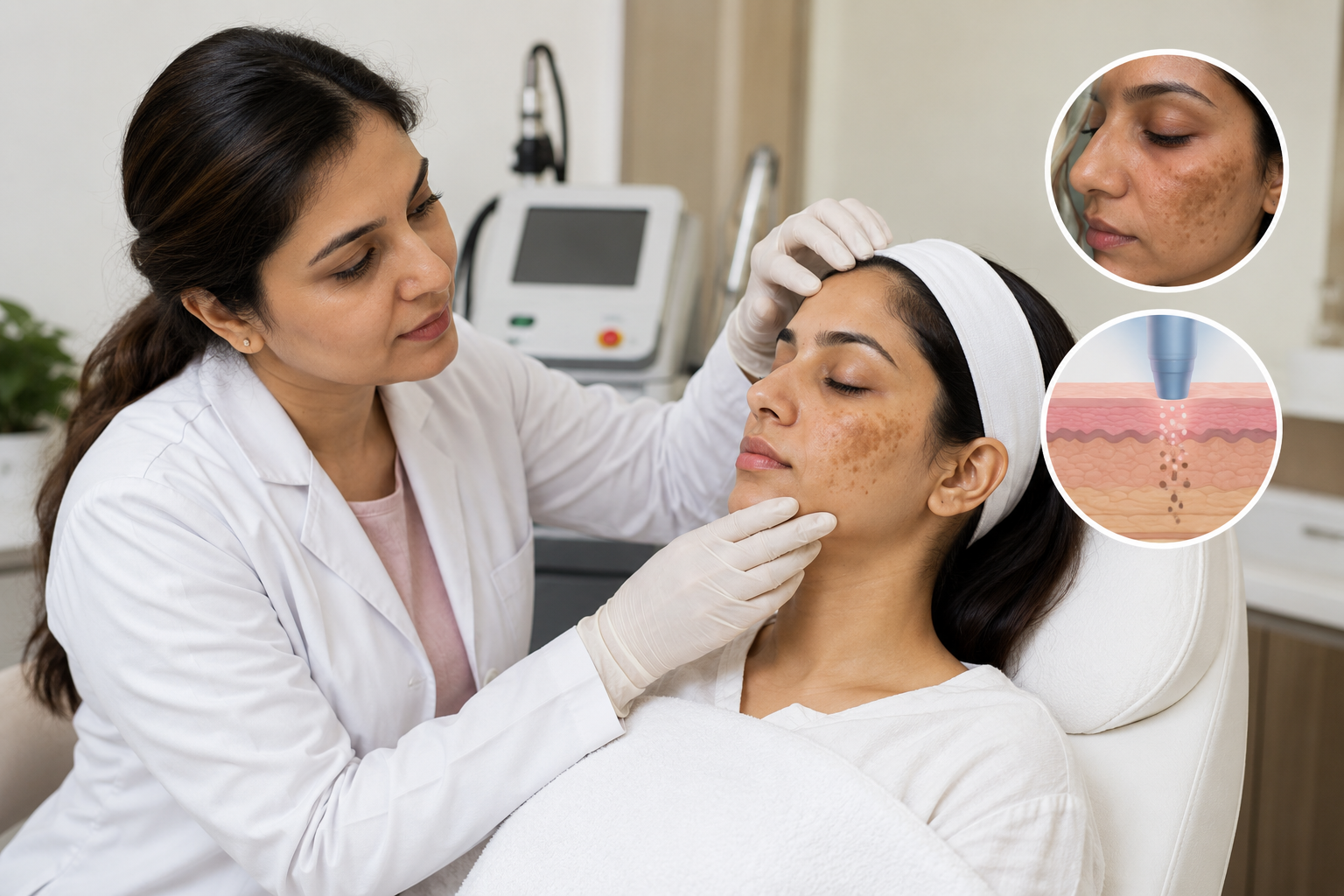
Melasma is a common pigmentation condition that causes symmetrical brown or grey-brown patches, most often on the face. Sun exposure and hormonal changes can contribute to its development, and certain medicines or other triggers may also play a role.
- Are pregnant or on hormonal contraceptives
- Have thyroid imbalances
- Have significant sun exposure history
This is why people often search for the difference between melasma and pigmentation when trying to understand their dark patches.Melasma is stubborn — it often returns without ongoing maintenance and sun protection.
What is Post-Inflammatory Hyperpigmentation (PIH)?
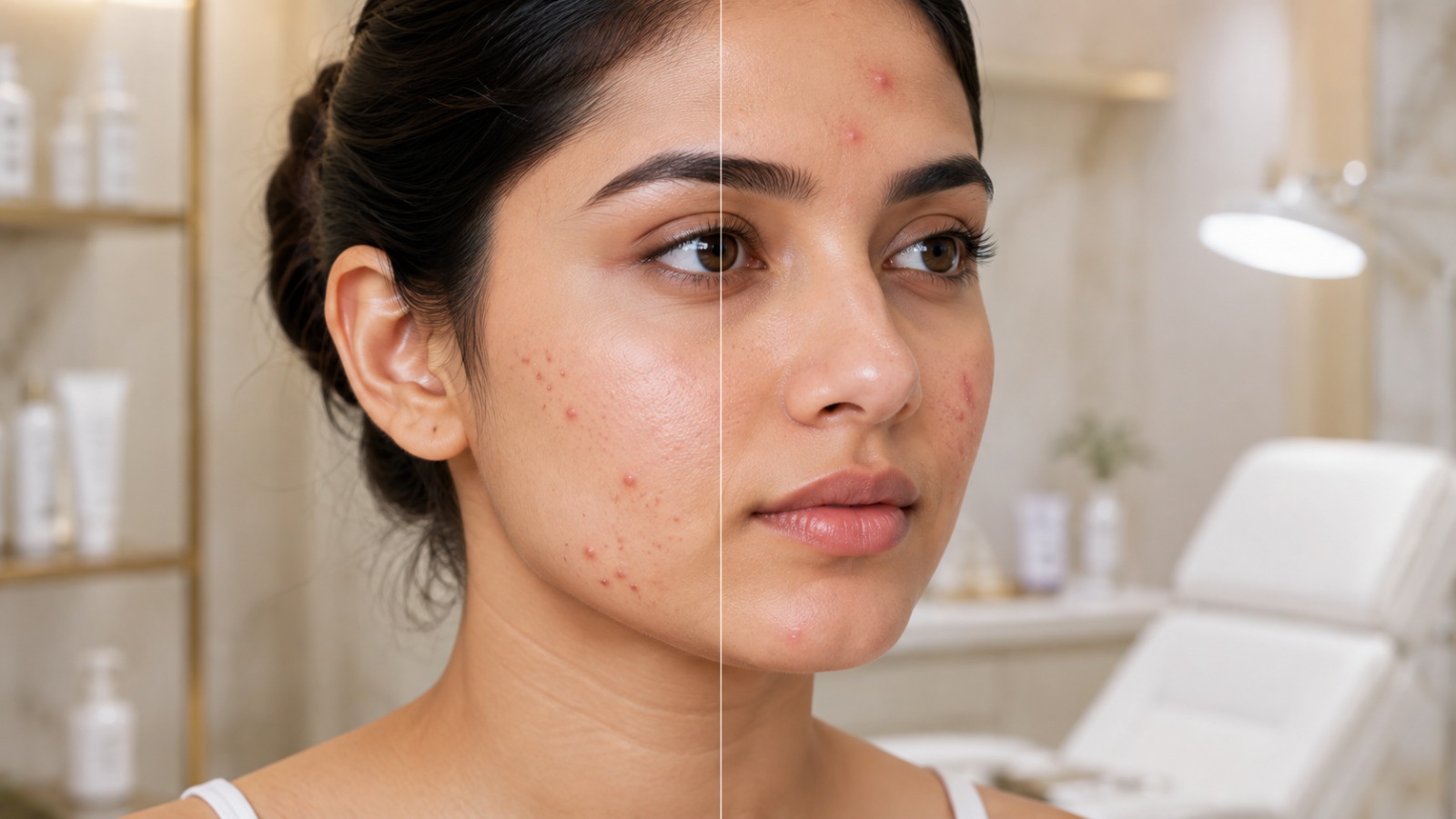
PIH are the dark spots that appear after acne, eczema, burns, or any skin injury. Unlike melasma, PIH is not hormonal and tends to fade more predictably with the right treatment.
Pigmentation is a broader term for changes in skin colour, while melasma is a specific pigmentation condition with characteristic patterns and triggers. This distinction is important when deciding on treatment.
Melasma vs Pigmentation: What Is the Difference?
Melasma is a specific pigmentation condition, while pigmentation is a broader term used for changes in skin colour. Melasma commonly appears as symmetrical brown or grey-brown patches on the face, while pigmentation can have many different causes, including acne, inflammation, sun exposure or skin injury. Not every pigmentation problem is melasma, so identifying the underlying cause is important before choosing treatment.
| Melasma | Pigmentation | |
|---|---|---|
| What is it? | A specific pigmentation condition | A broad term for changes in skin colour |
| Common appearance | Brown or grey-brown symmetrical patches | Dark spots, patches or uneven skin tone |
| Common causes/triggers | Sun exposure, hormonal changes and other triggers | Acne, inflammation, sun exposure, injury and other causes |
| Common areas | Cheeks, forehead, upper lip and chin | Depends on the underlying cause |
| Treatment | Depends on the diagnosis, skin type and severity | Depends on the underlying cause |
Pigmentation is a broader term used for changes in skin colour. It can occur due to acne, inflammation, sun exposure, skin injury or other causes.
In simple terms, melasma is one type of pigmentation, but not every pigmentation problem is melasma. This is why the correct diagnosis is important before choosing a treatment.
Hindi mein simple shabdon mein samjhein, melasma aur pigmentation mein antar ye hai ki melasma pigmentation ki ek specific condition hai, jabki pigmentation ka matlab skin colour mein hone wale broader changes se hai.
Treatments Available at Skin Decor, Dwarka
The right treatment depends on whether the pigmentation is melasma, post-inflammatory pigmentation or another skin concern. A dermatologist can assess the pattern, cause and severity before recommending a pigmentation treatment in Dwarka.
For Melasma:
- Q-Switch Nd:YAG Laser: May be considered for selected pigmentation concerns after assessing the diagnosis, skin type and depth of pigmentation.
- Chemical Peels : May help improve selected superficial pigmentation when appropriately chosen for the skin condition and skin type.
- Topical treatments: Depending on the diagnosis, a dermatologist may recommend ingredients such as tretinoin, azelaic acid, kojic acid or other pigment-targeting treatments.
- Cosmelan peel: A specialist peel protocol for resistant melasma
For PIH (Post-Acne Dark Spots):
- Fractional laser resurfacing
- Vitamin C mesotherapy
- Glycolic + Salicylic peels
The Skin Decor Approach — Diagnosis First
Dr. Monica Chahar Godara (MD, FIDP Germany) never prescribes lightening treatments without a thorough diagnosis. Because different pigmentation conditions can look similar, choosing a treatment without an accurate diagnosis may increase the risk of irritation or worsening pigmentation.. At Skin Decor, a Wood's lamp examination and hormone panel are part of the initial assessment to ensure the correct protocol is chosen.
How Long Does Pigmentation Treatment Take?
Treatment timelines vary depending on the cause, depth of pigmentation, skin type and treatment plan. Some people may notice improvement within weeks, while melasma and deeper pigmentation often require several months of consistent treatment and sun protection.
Daily broad-spectrum sun protection is an important part of managing pigmentation and helping prevent further darkening.
📞 Concerned about melasma or pigmentation? Get your skin assessed by a dermatologist and understand which treatment may be appropriate for your condition. → Book a consultation at Skin Decor, Dwarka.