Lichen Planus: Symptoms, Causes, Types and Treatment
Lichen planus is an inflammatory skin condition that can affect the skin, mouth, nails, scalp and other areas. Learn about its symptoms, causes, types, treatment options and lingering marks, and understand when a dermatologist should evaluate the condition.
Lichen planus is an inflammatory skin condition that can cause itchy or irritated bumps, patches or lesions on the skin. It can also affect the mouth, nails, scalp and other areas of the body. The appearance and symptoms can vary depending on the type and area affected.
Some cases improve over time, while others may need treatment to control itching, inflammation, pain or other symptoms and to prevent complications. Lichen planus can also leave darker marks after the active inflammation settles, particularly in people with darker skin tones.
In this guide, a dermatologist explains the common symptoms, possible causes, types, diagnosis and treatment options for lichen planus, including what to know about lichen planus marks and pigmentation.
What is Lichen Planus?
Lichen planus is a disease that causes inflammation. It shows up on the skin as small, flat, itchy bumps. These bumps are often purple or reddish-purple. Sometimes, the mouth, nails, scalp, or private parts may also get affected. The condition is not infectious. It cannot spread from one person to another.
The lichen planus pigmentosus type leads to dark patches. It’s often seen in people with darker skin. These spots appear on areas exposed to the sun, like the face or neck.
Common Lichen Planus Symptoms
Symptoms vary depending on which part of the body is affected. Common signs may include:
- Itchy bumps on wrists, ankles, or lower back
- Purple or reddish skin patches
- White patches or lines in the mouth (oral lichen planus)
- Thin, split, or ridged nails (lichen planus nails)
- Dark spots on the face, neck, or underarms in pigmentosus type
- Hair loss or scarring on the scalp (lichen planopilaris)
Symptoms can vary. Some patients only have mouth issues, while others have rashes on the body. In some cases, it causes pain or burning.
What Causes Lichen Planus?
The exact cause of lichen planus is not fully understood. It is considered an inflammatory condition involving the immune system. In some people, certain medicines, infections, allergies or local irritation may be associated with a lichen planus-like reaction.
Some possible triggers include:
- Hepatitis C infection
- Stress may worsen symptoms or contribute to flare-ups in some people, but it is not considered the sole cause of lichen planus.
- Certain medicines (like blood pressure drugs or painkillers)
- Allergic reactions to dental fillings
- Stress
- Family history
Lichen planus pigmentosus may occur after long sun exposure or due to friction. Some people develop it after using certain skin products.
Types of Lichen Planus
There are many types based on where and how the symptoms appear:
- Cutaneous Lichen Planus – Affects the skin, causes itchy rashes
- Oral Lichen Planus – White or red patches inside the mouth
- Genital Lichen Planus – Affects private parts, causes discomfort
- Lichen Planopilaris – Affects the scalp and hair roots
- Lichen Planus Pigmentosus – Causes dark brown patches on the face, neck, or body folds
- Nail Lichen Planus – Nails become thin, cracked, or damaged
Your dermatologist in Delhi can help identify your type and suggest a specific plan.
Diagnosis of Lichen Planus
A dermatologist usually diagnoses lichen planus by examining the affected skin, mouth, scalp or nails and reviewing the symptoms and medical history. Because several skin conditions can look similar, a clinical examination is important before starting treatment.
In some cases, a skin biopsy may be recommended to confirm the diagnosis. Depending on the symptoms and affected area, your dermatologist may also consider other tests to rule out conditions that can look similar.
At a good skin clinic in Delhi, a dermatologist doctor will check your symptoms carefully.
Can Lichen Planus Be Cured?
Lichen planus does not have one single cure that works for everyone. Some cases improve on their own, while others may need treatment to control inflammation, itching, pain or other symptoms. The outlook depends on the type of lichen planus, the area affected and the severity of the condition. A dermatologist can assess the condition and recommend appropriate treatment.
Lichen Planus Treatment
There is no single treatment that is suitable for everyone with lichen planus. Some mild cases may improve without treatment, while others need treatment to control itching, inflammation, pain or widespread disease. The choice depends on the type of lichen planus, the area affected, severity and individual health factors.
“For personalized treatment and expert guidance, you can book an appointment with a dermatologist at Skin Decor.”
Here are common treatment methods:
1. Topical Creams or Ointments
Prescription topical corticosteroids are commonly used to reduce inflammation, itching and discomfort. Depending on the location and individual case, a dermatologist may also consider other topical medicines such as calcineurin inhibitors.
2. Oral Medicines
For more extensive or difficult-to-control lichen planus, a dermatologist may prescribe medicines that work throughout the body. The choice depends on the severity, affected areas and the person's overall health.
3. Phototherapy
Phototherapy uses controlled ultraviolet light under medical supervision and may be considered for some widespread skin disease. It is not suitable for every type of lichen planus, so treatment should be selected by a dermatologist.
4. Treatment for oral lichen planus
When lichen planus affects the mouth, treatment may include medicines applied inside the mouth to reduce inflammation and discomfort. Good oral hygiene and regular dental care are also important, particularly when the gums are affected.
5. Lichen Planus Pigmentosus Treatment
The pigmentation or dark marks left after lichen planus may take time to fade. Treatment depends on the underlying condition, and a dermatologist can suggest suitable options after evaluating the skin.
This type is harder to treat. Dark patches take time to fade. Doctors may use skin-lightening creams, sunblock, or oral medication. Avoiding the sun and stopping harsh skin products helps.
6. Treatment for nails, scalp or other areas
Lichen planus affecting the nails or scalp may require early specialist treatment because ongoing inflammation can sometimes lead to lasting changes. The treatment plan depends on the area involved and how active the condition is.
Lichen Planus Marks: Do They Go Away?
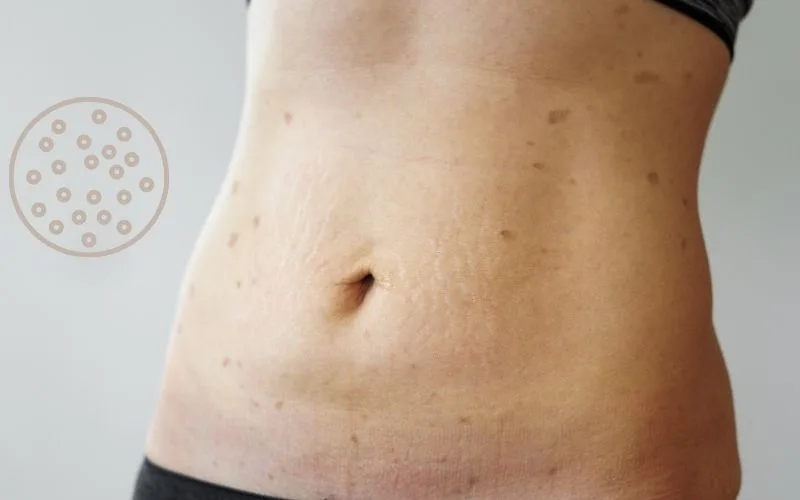
Lichen planus can leave darker marks after the active inflammation has settled. These marks are often a result of post-inflammatory pigmentation and may take time to fade. How long they remain can vary depending on the severity of the inflammation, skin type and whether new inflammation continues to occur.
Treating the active lichen planus is important before focusing on leftover pigmentation. A dermatologist can first determine whether the condition is still active and then decide whether any treatment for persistent pigmentation is appropriate.
Avoid picking, scratching or using harsh skin-lightening products on affected areas, as irritation can make pigmentation more noticeable.
Self-Care Tips to Support Lichen Planus Treatment
Self-care measures may help reduce irritation and support prescribed treatment, but they do not replace a dermatologist's evaluation or medical treatment when treatment is needed.
If you are wondering how to remove lichen planus marks with home remedies, these supportive steps may help improve skin comfort and support the healing process.
- Use gentle, fragrance-free skin products
- Avoid scratching or rubbing affected areas
- Keep the skin moisturized
- Protect exposed skin from excessive sun exposure
- Try to identify and avoid personal triggers that worsen symptoms
- Follow prescribed medicines exactly as directed
Remember, home remedies cannot replace medical care. Always consult your doctor.
For persistent lichen planus marks or symptoms, consult a dermatologist for personalized treatment.
Can Lichen Planus Come Back?
Lichen planus can sometimes recur or flare again after symptoms improve. The pattern varies from person to person, and some people may experience a long period without symptoms.
If symptoms return or new lesions develop, a dermatologist can reassess the condition and adjust treatment if needed.
When Should You See a Dermatologist for Lichen Planus?
You should consider a dermatologist consultation if you have a persistent or spreading rash, significant itching or pain, unexplained dark patches, mouth sores, nail changes, scalp symptoms or symptoms that keep returning. Early assessment can also help distinguish lichen planus from other conditions that may look similar.
You should visit a doctor if:
- The rash spreads quickly
- You have painful mouth sores
- Your nails get damaged
- You notice dark patches that grow
- Itching keeps you awake at night
The best way to manage lichen planus is early care. Visit a trusted skin clinic in Delhi for diagnosis and long-term care.
Lichen planus is a treatable skin condition. With the right plan, you can reduce symptoms and avoid long-term effects. Whether it’s skin, mouth, nails, or hair, treatment options are available for all types. From steroid creams to oral medicines, a qualified skin doctor in Delhi can help create a care plan for you.
At Skin Decor, our expert dermatologists offer trusted care. We offer advanced options for lichen planus treatment. Our clinic in Dwarka is known for quality service, accurate diagnosis, and skin-friendly solutions.
Need Help With Lichen Planus or Persistent Skin Marks?
If you have persistent lichen planus symptoms, recurring lesions or dark marks left after inflammation, a dermatologist can assess the condition and discuss suitable treatment options based on your skin and symptoms.
Book a consultation at Skin Decor to get your condition evaluated and understand the next appropriate step.