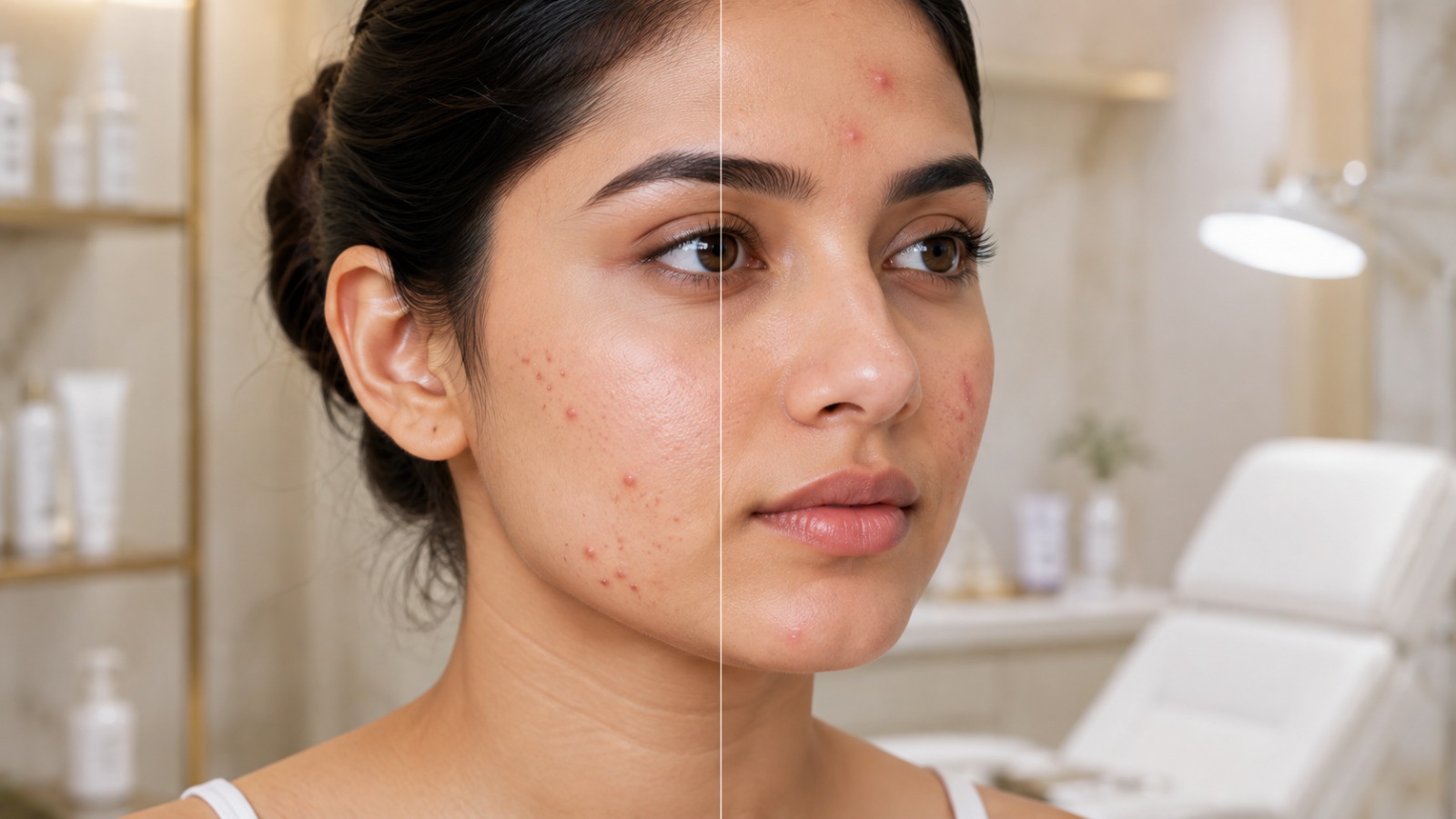

Acne Purge: Causes, Symptoms, How Long It Lasts and What to Do
Acne purge can cause temporary breakouts after starting certain acne treatments. Learn what acne purging means, how to distinguish it from irritation or a regular breakout, how long it may last and when to consult a dermatologist.
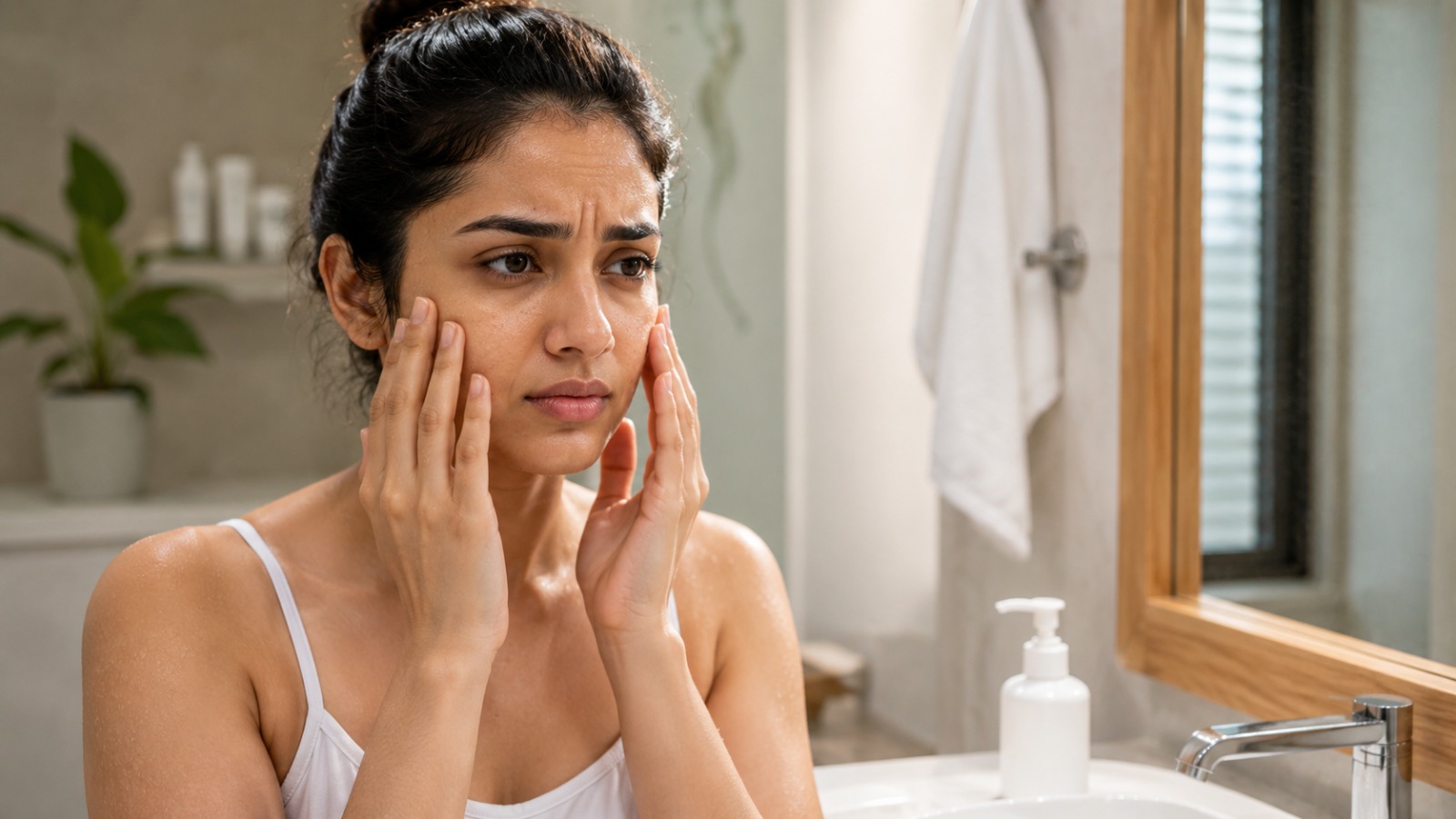
Acne purging can be confusing. You start a new acne treatment expecting your skin to improve, but instead you notice more pimples, clogged pores or irritation. This can make you wonder whether the treatment is causing a temporary reaction or making your acne worse.
The term “acne purge” is commonly used for a temporary increase in breakouts after starting certain treatments that increase skin cell turnover or help unclog pores. However, not every breakout after starting acne treatment is a purge. Irritation, an unsuitable product, or worsening acne can look similar.
Knowing the difference matters because the right next step depends on what is actually happening to your skin. In this guide, we explain what acne purging means, why it can happen, how to distinguish it from a regular breakout or irritation, how long it may last, what you can do during this period and when professional assessment is advisable.
What Is an Acne Purge and Why Does It Happen?
Acne purging refers to a temporary increase in breakouts that may occur after starting certain acne treatments that increase skin cell turnover or help unclog pores.
For example, topical retinoids can increase skin cell turnover and may initially cause dryness, irritation or changes in breakouts in some people. This does not mean that every worsening of acne is a purge.
A new breakout can also result from irritation, using too many active ingredients, an unsuitable skincare product or acne that is not responding to the current treatment. That is why the treatment being used, the timing of the reaction and the pattern of the breakouts all matter.
Why Can Breakouts Increase After Starting Acne Treatment?
An increase in breakouts after starting acne treatment can happen for several reasons, and it should not automatically be labelled as purging. Possible reasons include:
- Adjustment to a treatment that affects skin cell turnover or clogged pores
- Skin irritation or dryness from an active ingredient
- Introducing a treatment too frequently or using more than recommended
- Starting several new skincare products at the same time
- Using a product that does not suit your skin
- Underlying acne becoming more active or requiring a different treatment approach
If the reaction is severe, persistent or very irritating, it is better to have the skin assessed rather than assuming that it is a normal purge.
Which Acne Treatments Can Cause Purging?
Purging is most often discussed with treatments that increase skin cell turnover or help unclog blocked pores. Topical retinoids are one example. Other acne products can also cause dryness or irritation, but that does not necessarily mean the skin is purging.
For this reason, the product or medicine being used should always be considered before deciding that a breakout is a purge. If you are using a prescription acne treatment, follow the instructions given by your dermatologist rather than changing the dose or frequency yourself.
If you need treatment for ongoing acne rather than a temporary purge, you can explore our [Acne Treatment in Dwarka] service.
Acne Purge vs Breakout: How Can You Tell the Difference?
Acne purging and a regular breakout can look very similar, so it is not always possible to tell the difference from appearance alone.
A reaction may be more consistent with purging when:
- It begins after starting a treatment that affects skin cell turnover or clogged pores.
- Breakouts appear in areas where you commonly experience acne.
- The reaction is temporary and gradually settles as your skin adjusts.
A regular breakout or irritation may be more likely when:
- Breakouts appear in areas where you do not usually get acne.
- The skin is burning, very itchy, swollen or intensely irritated.
- The condition keeps getting worse instead of gradually settling.
- Several new products were introduced at the same time.
These signs are only general clues, not a diagnosis. If you are unsure what is causing the reaction, a dermatologist can assess your skin and review the treatment you are using.
Acne Purge vs Skin Irritation: Why the Difference Matters
Skin irritation can sometimes be mistaken for acne purging. Irritation may cause redness, burning, dryness, peeling or increased sensitivity, especially when an active ingredient is introduced too quickly or used too frequently.
If your skin is becoming increasingly uncomfortable or inflamed, do not assume that the reaction means the treatment is working. Your dermatologist may need to adjust the treatment or recommend a gentler approach.
This is particularly important if you are developing persistent redness, significant burning or new pigmentation after irritation.
How Long Does an Acne Purge Last?
There is no single number of days that applies to everyone. How long a reaction lasts depends on the treatment, your skin condition and how your skin responds.
Acne treatments generally need consistent use over several weeks before improvement can be judged. Repeatedly changing treatments every few days can irritate the skin and make breakouts harder to manage.
If your acne continues to worsen, becomes painful, or your skin develops significant irritation, consult a dermatologist rather than assuming that the reaction is simply a purge.
What Can You Do During an Acne Purge?
If you think you may be experiencing a temporary reaction after starting acne treatment, the goal should be to avoid unnecessary irritation while continuing appropriate treatment under professional guidance.
Do:
- Follow your prescribed treatment exactly as directed.
- Introduce products gradually when advised.
- Use a gentle cleanser.
- Use a non-comedogenic moisturizer if your skin becomes dry.
- Protect your skin from the sun.
Avoid:
- Scrubbing or exfoliating aggressively.
- Picking or squeezing breakouts.
- Starting several new active ingredients at once.
- Increasing the amount or frequency of medication on your own.
- Changing acne treatments every few days because of early breakouts.
If irritation or worsening acne is significant, contact your dermatologist for advice.
When Should You See a Dermatologist for Acne Purging?
Consider a dermatologist assessment if your breakouts are becoming painful, widespread or persistent, or if you develop significant redness, burning, swelling or peeling after starting treatment.
Professional assessment is also useful when you cannot tell whether you are experiencing purging, irritation, worsening acne or another skin condition.
A dermatologist can examine the type and distribution of your acne, review your current treatment and decide whether the treatment should be continued, adjusted or changed. Accurate diagnosis matters because different types of acne and acne-like conditions can require different approaches.
Acne Purge FAQs
Is acne purging normal?
A temporary increase in breakouts may occur with some acne treatments, but not every breakout is purging. Irritation, an unsuitable product or worsening acne can look similar.
How long does acne purging last?
There is no fixed duration for everyone. It depends on the treatment, the skin condition and the individual's response. Persistent or worsening breakouts should be assessed rather than automatically considered purging.
How do I know if I am purging or breaking out?
Consider when the reaction started, where the breakouts are appearing and whether your skin is also irritated. These clues can help, but a dermatologist may be needed when the cause is unclear.
Should I stop my acne treatment during a purge?
Do not automatically stop or change a prescribed treatment. If you develop significant irritation or worsening symptoms, contact the dermatologist who prescribed the treatment for advice.
Can acne purging cause acne scars?
Picking or squeezing breakouts can increase the risk of scarring and dark marks. Avoid manipulating the skin and seek professional advice if acne is becoming severe or persistent.
Can I use other skincare products during an acne purge?
Keep your routine simple and gentle, and avoid introducing several new active products at once. If your skin becomes irritated, discuss your routine with a dermatologist.
Does purging mean my acne treatment is working?
Not necessarily. A temporary reaction can occur with some treatments, but worsening acne or significant irritation does not automatically mean the treatment is working. The response should be assessed in the context of the treatment being used.
Not Sure If It’s Acne Purging or a Breakout?
If your skin has become worse after starting an acne treatment, you do not have to guess whether it is a temporary adjustment, irritation or worsening acne.
A dermatologist can assess your skin and treatment history and guide you on the appropriate next step.
Want professional guidance for persistent or worsening acne?
→ Book an acne consultation at Skin Decor, Dwarka.