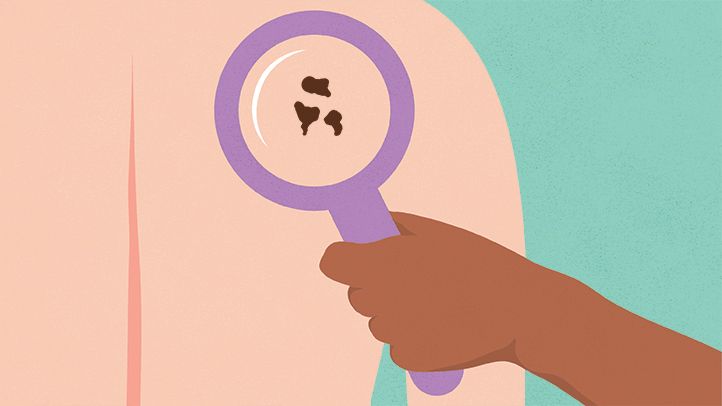
Abnormal cells in skin layers grow and cause skin cancer. This widespread
issue poses serious risks. The primary forms include basal cell carcinoma, squamous cell
carcinoma, and melanoma. Each type differs in how bad it can get.
You
might see new moles or moles that change shape as signs of skin cancer. Weird skin growths or
sores that won't heal can also be symptoms. These can show up anywhere on your body. So, you
need to check your skin often. You should see a dermatologist in
Delhii if you notice anything unusual. Doctors treat skin cancer based on its
kind, where it is, and how far it's spread. They might cut it out, use radiation, or give you
special creams. Finding and treating it early makes it much more likely you'll get better. So
it's important to keep an eye on your skin and how it looks.
Symptoms of skin cancer
These are the symptoms of skin cancer:
- A fresh spot on your skin or
- A variation in the size, shape, or colour of an existing spot. These
alterations can vary widely, thus there is no single method to describe how a skin cancer
appears.
- An uncomfortable or unpleasant spot
- Non-healing sore that bleeds or forms a crust.
- A red or flesh-coloured glossy protrusion on the surface of the
skin
- A palpable red rough or scaly patch
- A growth with a raised border, centre crust, or
bleeding
- A wart-like development.
- A scar-like development without a clearly defined
border
Basal cell carcinoma
This type of cancer grows on the face, legs, arms, neck, ears and hands
(sun-exposed parts of your body). Its symptoms include:
- You may notice shiny/skin-coloured bumps on your skin. They can also be
pearly or waxy depending on your skin tone.
- Raised lesions with dark spots and translucent
borders.
- Scaly spots that might expand over time.
Squamous cell carcinoma
UV
rays cause this cancer. Too much sun without protection or using tanning beds can lead to it. It
shows up as:
- Rough and reddish scaly
region.
- Open sore (frequently with
elevated border
- Brown area that resembles an
ageing spot.
- Firm, dome-shaped
growth.
- Wart-like
growth.
- A tiny, rhinoceros-shaped horn
grows from your skin.
- Soreness is growing in an old
scar.
Melanoma
Melanoma starts in special skin cells called melanocytes. These cells make
melanin, which gives skin its colour. Melanoma is a kind of skin cancer that begins in these
melanin-producing cells. Its symptoms include:
- Moles with unusual shapes.
- Moles with different colours and unusual colour
patterns.
- Moles larger than 6mm in size.
- Itchiness or bleeding in the area.
- Moles with unique notched or scalloped borders.
Treatment for skin cancer in Delhi
You
must immediately start treatment if you have been diagnosed with skin cancer. The treatments
are:
Common treatments
- Cryotherapy: The
doctor uses liquid nitrogen to freeze the skin cancer. The dead cells are thrown away after the
treatment is completed.
- Mohs
Surgery: Skin cancer treatment often
involves Mohs surgery. Doctors remove cancerous tissue while preserving surrounding healthy
skin. It's a popular way to fix skin cancer in one spot.
- Excisional
surgery is another option. The doctor
cuts out the cancer cells and a bit of healthy skin nearby. It helps make sure the cancer
doesn't spread more.
- Topical
treatment: Some skin cancers respond to
topical treatments. Doctors apply special creams to the skin. This localised chemotherapy halts
cancer growth.
- Immunotherapy is
different. Patients get medicine that teaches their bodies to fight cancer cells on their own.
This way, they might not need a big operation.
- Radiation
therapy uses strong energy beams. These
beams kill cancer cells on the skin and in areas close by where the cancer has
spread.
- Photodynamic
therapy: Your skin doctor puts medicine
on your skin and turns it on with a blue or red light that glows. This way kills cells that
could turn bad but don't hurt normal ones. It's called photodynamic
therapy.
- C and
E is a two-part thing. The doctor
first scrapes off the top of the skin cancer with a special tool. Then they burn the bottom part
with an electric needle. The full name is curettage and electrodessication, but people say C and
E.
Side effects of the treatments
Every treatment has a side effect. These are the following side effects of
skin cancer treatments:
- Bleeding.
- Pain and
swelling.
- Scars.
- Nerve injury causes loss of
feeling.
- Skin
infections.
- Regrowth of the tumour following
its removal.
Your doctor will spot the type of skin cancer you have and give you the
right treatments. You can prevent skin cancer. Avoiding excessive sun exposure and sunburns keeps
you safe. Sunlight's UV rays damage your skin and can cause skin cancer. Put on sunscreen
before you go outside. Also, stay indoors from 10 AM to 4 PM when the sun shines
brightest.
Shielding your skin from dangerous rays has a significant influence on
cancer prevention. It's smart to make sun safety a habit in your daily life. Remember small
steps like wearing a hat or seeking shade can make a difference in keeping your skin
healthy.
If
you feel any of the symptoms above, visit the skin specialist
in delhi for proper consultation and treatments.
Also read
about skin acne and its
treatment