Hair Fall Control: Tips by Dr. Monica Chahar | Skin Decor
Hair fall is one of the most common hair and scalp concerns affecting both men and women. Losing some hair every day is normal, but excessive hair fall, thinning hair, a widening hair part, or visible scalp may indicate an underlying problem that needs attention.

Hair fall is one of the most common hair and scalp concerns affecting both men and women. Losing some hair every day is normal, but excessive hair fall, thinning hair, a widening hair part, or visible scalp may indicate an underlying problem that needs attention.
From stress and nutritional deficiencies to hormonal changes, genetics, scalp conditions, and lifestyle factors, hair loss can have many causes. Identifying the cause early is an important part of effective hair fall treatment.
How Much Hair Fall Is Normal?
It's normal to lose some hair every day as part of the natural growth cycle. But if you notice significantly more hair on your pillow, clothes, comb, or in the shower, it's worth investigating.
Signs that may need professional evaluation:
- Noticeable increase in daily hair shedding (roughly more than 100 strands a day)
- Gradual thinning of hair
-
Widening of the hair part
-
Receding hairline
-
Reduced hair density / bald patches
-
Persistent scalp itching, redness, or scaling
Common Causes of Hair Fall
Stress & Lifestyle Changes
Physical or emotional stress can trigger increased shedding. Poor sleep, crash diets, and major life changes can also affect the hair cycle. Hairs have their own receptors which respond to changes in circadian rhythm and persistent high levels of stress. Hence a proper sleep routine is advisable for those suffering with hair fall.
Nutritional Deficiencies
Low levels of certain nutrients can contribute to hair loss. Blood tests can identify specific gaps — supplements aren't a universal fix. Iron deficiency is the most common problem I see in my opd, especially among Indian women. Serum iron studies hence form an important part of my investigations.
Hormonal Changes
Thyroid disorders and other hormonal fluctuations can affect hair growth, including around pregnancy and childbirth. People suffering from PMOS (called PCOS earlier) can also experience hair thinning.
Genetics
Genetic hair loss is one of the most common causes of progressive thinning, in both men and women.
Scalp Conditions
Dandruff, seborrheic dermatitis, psoriasis, and fungal infections can affect scalp health and contribute to hair problems.
Excessive Styling
Frequent heat, chemical treatments, and tight hairstyles can damage the hair shaft and cause breakage.
Dr. Monica Chahar's Tips to Manage Hair Fall
-
Balanced diet
Protein, vegetables, fruits, whole grains, and healthy fats support normal hair growth.
- Skip crash diets
Rapid weight loss and restrictive eating increase shedding — aim for sustainable nutrition.
- Care for your scalp
Keep it clean and treat persistent dandruff or inflammation, rather than ignoring it.
- Limit heat & tension
Reduce heat exposure and tight hairstyles that pull on the roots. Proper heat protection in the form of serums and devices must be followed before styling.
- Choose products carefully
Use items suited to your scalp and hair type — avoid stacking treatments at random.
- Sleep & manage stress
Rest, activity, and stress management support overall health, including hair growth.
What Treatments Are Available?
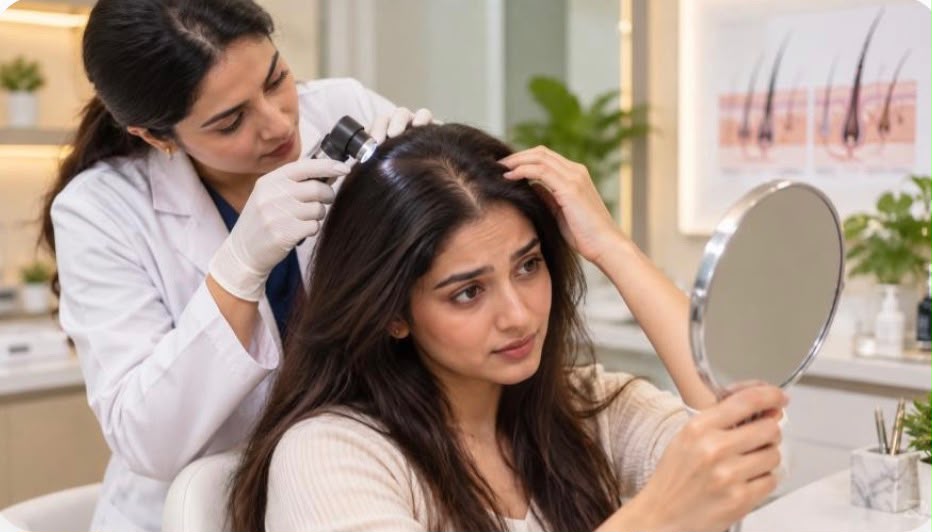
There's no single best treatment for everyone, the right one matches the cause and type of hair loss. After evaluating your scalp, hair density, and medical history, a dermatologist may recommend:
- Medical or topical treatments
- Prescription medications, when appropriate
- Nutritional correction for identified deficiencies
- PRP (Platelet-Rich Plasma) treatment for suitable patients
- Scalp treatments and advanced restoration procedures
When Should You See a Dermatologist?
Don't wait until thinning becomes obvious, sudden hair loss, persistent shedding, bald patches, or scalp inflammation all warrant a consult.
Frequently Asked Questions
What is the best treatment for excessive hair fall?
It depends on the cause. A dermatologist may recommend medical therapy, topical treatments, nutritional correction, PRP, or a combination after evaluating your scalp and hair condition.
Can hair fall be stopped permanently?
Some types respond well to treatment; others need long-term management. Early diagnosis improves the odds of maintaining healthy density.
Does PRP really help with hair loss?
PRP may help selected patients with certain types of thinning, using concentrated components from their own blood. Results vary and it's best considered after proper diagnosis.
Final Thoughts
Hair fall isn't always just a cosmetic concern — persistent shedding can point to nutritional, hormonal, genetic, or scalp-related issues. The first step toward real control is understanding why it's happening.
Dr. Monica Chahar, Skin Decor