Psoriasis Skin Disease Explained By Top Dermatologist In Delhi | Skin Decor
Psoriasis Skin Disease Explained By Top Dermatologist In Delhi
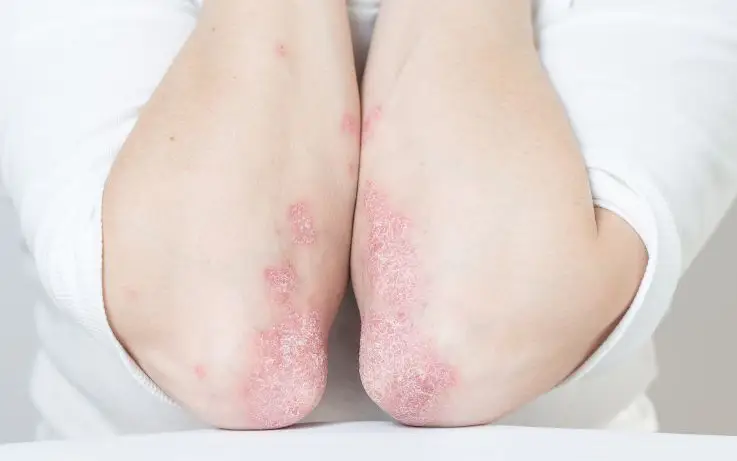
Psoriasis is a long-term autoimmune disease which causes rapid skin cells to develop. This accumulation of cells results in the formation of scales on the skin. Redness and inflammation around the scales have been a common thing. Psoriatic scales are commonly whitish-silver and occur in thick red plaques. But they can also look purplish and dark brown with grey scales on darker skins. Sometimes, these patches will crack and bleed. This article shares details about Psoriasis skin disease from the top Dermatologist in Delhi.
Where does psoriasis usually start?
Psoriasis mostly starts from the elbows and knees but may occur anywhere on the body. The most frequently affected areas are the hands, feet, neck, scalp, and face.
Less common areas include:
- Nails
- Mouth
- The area around the genitals
Several other conditions are also associated with psoriasis. These include:
- Type 2 diabetes
- Inflammatory bowel disease
- Heart disease
- Psoriatic arthritis
- Anxiety
- Depression
Types of Psoriasis
There are five major types of psoriasis. They all have specific properties and affect skin in their own ways. Understanding these can aid proper diagnosis and treatment.
- Plaque Psoriasis: Plaque psoriasis is the most common. It develops in approximately 80-90% of people with psoriasis. Leaves red, inflamed patches on light skin and purple or greyish patches on dark skin. These patches have a whitish-silver scale or plaques over the elbows, knees, and scalp.
- Guttate Psoriasis: Guttate psoriasis develops predominantly in children and young adults. It appears as small pink or violet lesions in the trunk and limbs. These spots are usually not thick like those in plaque psoriasis.
- Pustular Psoriasis: Pustular psoriasis occurs in adults. It leads to white blisters that are filled with pus and surrounded by red or violet inflamed skin. It may occur on the palms or soles or may be disseminated.
- Inverse Psoriasis: Inverse psoriasis causes bright red, shiny, inflamed skin lesions. It may appear under the arms or the breasts, in the groin or around skin folds in the genitals.
- Erythrodermic Psoriasis: Erythrodermic psoriasis is a serious type of psoriasis. It covers large areas of the body and the skin appears sunburned. Scales usually peel off whole and can induce fever or sickness. This type is dangerous and needs urgent medical assistance.
Symptoms of psoriasis
Psoriasis symptoms will vary from individual to individual. It can occur from small spot-like areas to wide portions of the body.
Common symptoms of plaque psoriasis include:
- Skin lesions that take the form of reddish small patches of skin found on lighter skin and reddish or darkish patches of skin on darker skin.
- Small white or silvery-grey scales or some big flakes on red spots, or grey scales on purple and brown spots.
- Extreme dryness might even lead to cracking and bleeding.
- Soreness around patches.
- Inflammatory manifestations like redness and skin irritations over the clusters.
- Thick, pitted nails.
- Painful, swollen joints.
How to diagnose psoriasis?
There are two main tests or examinations used to identify if the person suffers from psoriasis:
Physical Examination: Physical examination is the most common method to diagnose psoriasis. Symptoms are normally easy to differentiate from other diseases. Show the affected areas to the doctor during the exam.
Biopsy: When symptoms are not sure or for confirmation, a doctor may request a biopsy. This includes a skin biopsy for testing.
- A biopsy is performed in a certified clinic under local anaesthesia.
- An expert views the collected item under a microscope. It is used to determine the type of psoriasis.
- Your doctor will schedule a follow-up visit to explain your biopsy results and recommend a treatment plan.
Treatment of Psoriasis
There is currently no cure for psoriasis but treatments are effective in alleviating the signs and symptoms of this disease. Common treatment options used by Skin specialist in Dwarka are to address inflammation, retard skin cell proliferation, and remove plaques.
Topical Treatments
Topical agents are creams and ointments that are applied locally to the skin. They help treat mild to moderate psoriasis. Common topical treatments include:
- Topical corticosteroids: It calms inflammation and slows the skin’s natural shedding process.
- Topical retinoids: We help balance skin cell regeneration.
- Anthralin: Scale and skin cell growth are decreased.
- Vitamin D analogues: Slows the speed of skin cell growth and peels off dandruff and dead skin cells.
- Salicylic acid: Unclogs pores by removing dead skin cells.
- Moisturisers: Moisturise the skin to prevent itching.
- Topical JAK inhibitors: An example is tofacitinib (Xeljanz) which attenuates the immune system response.
Systemic Medicines
Systemic drugs are utilised in patients with moderate to severe psoriasis or patients who become unresponsive to other therapies. They are taken orally or injected intramuscularly and may cause serious side effects. Common systemic medications for Psoriasis treatment in Delhi include:
- Methotrexate: Depletes the immune system but possesses severe side effects.
- Cyclosporine (Sandimmune): Weakens the immune system but may cause renal failures and hypertension.
- Biologics: These are formulated to target specific components of the immune system and administered through injection or IV infusion.
- Oral retinoids: Suppresses the production of skin cells but it is hazardous to pregnant mothers since it causes birth defects.
- Oral apremilast (Otezla): It is effective in treating moderate psoriasis to relieve inflammation.
Light Therapy
Light therapy involves exposing the skin to ultraviolet or natural light. UV light reduces excessive white blood cells that are fighting off healthy skin tissues. UVA and UVB light may also be helpful in treating mild to moderate psoriasis. Light therapy may be taken along with other treatments.
Combined Treatments
Combination therapy is often used for patients with moderate to severe psoriasis. A combination of more than one treatment type helps alleviate symptoms. This can continue for a long period or the patient can change the treatment if the skin does not react to the same treatment anymore.
Although having psoriasis makes life difficult for the patient, proper control over symptoms lets people lead a relatively healthy lifestyle. You can seek the help of a professional Dermatologist in Delhito provide the best treatment and advice. It is important to remember that the inflammation is not curable and patients need to follow the treatment plan to control the disease and live normally.